What is Laparoscopic Myomectomy?
Laparoscopic myomectomy is a minimally invasive surgery to remove fibroids from the uterus. Doctors use small cuts and a camera to perform this procedure. Because it is less invasive than open surgery, many women choose this option. Uterine fibroids are non-cancerous growths that can cause pain, heavy periods, or fertility problems. With laparoscopic surgery for uterine fibroids, recovery is often quicker and easier. This method is safe and effective for many women.
Who Needs Laparoscopic Myomectomy?
Not everyone with fibroids needs surgery. However, some women may benefit from laparoscopic myomectomy if they have:
Sometimes, doctors suggest this surgery if other treatments do not work. In addition, women who want to keep their uterus may prefer myomectomy over a hysterectomy.
How is the Procedure Performed?
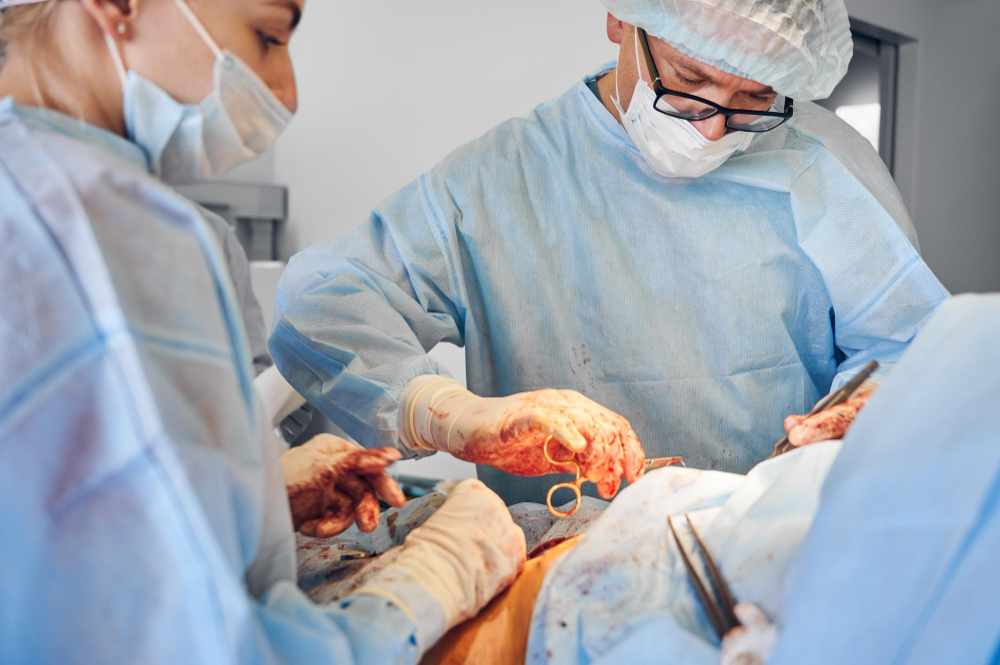
During laparoscopic myomectomy, the doctor makes a few small cuts in the belly. Next, a thin tube with a camera (called a laparoscope) goes through one cut. Then, special tools are used to remove the fibroids. The doctor carefully takes out the fibroids while keeping the uterus safe. After that, the cuts are closed with stitches. Most women go home the same day or the next day. Because the cuts are small, pain and scarring are less than with open surgery.
Benefits of Laparoscopic Myomectomy
This minimally invasive fibroid removal offers many advantages. Some of the main benefits include:
Because of these benefits, many women choose laparoscopic surgery for uterine fibroids when possible.
Risks and Possible Complications
Like any surgery, laparoscopic myomectomy has some risks. However, most women recover without problems. Possible risks include:
Your doctor will discuss these risks before surgery. Still, serious problems are rare, especially with experienced surgeons.
Recovery and Aftercare Tips
After laparoscopic myomectomy, most women recover quickly. Here are some myomectomy recovery tips to help you heal:
Usually, women return to normal activities in 2 to 4 weeks. However, always listen to your body and your doctor’s advice.
Frequently Asked Questions
If you have more questions, always ask your doctor. They can give advice based on your needs.
Consult a gynecologist at Dr. Kanade Hospital & Laparoscopy Center for personalized advice about laparoscopic myomectomy.