
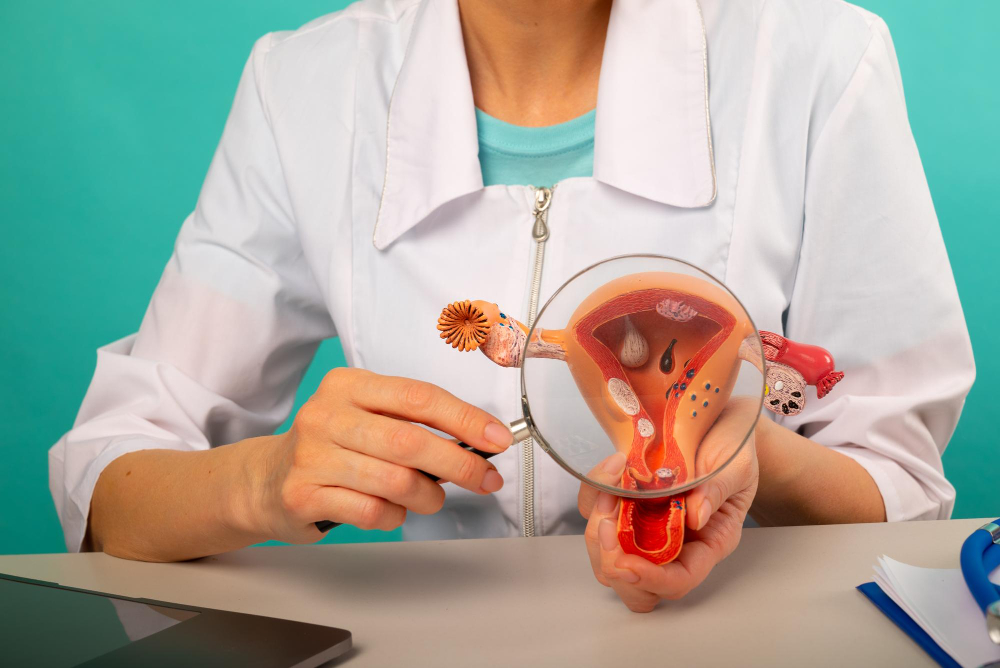
What is Pelvic Organ Prolapse?
Pelvic organ prolapse happens when the muscles and tissues in the pelvis become weak. As a result, organs like the bladder, uterus, or rectum may drop or press into the vagina. This condition is common, especially in women after childbirth or menopause. Although it can feel scary, many treatment options are available. Early care can help improve comfort and quality of life.
Common Symptoms
Pelvic organ prolapse symptoms can vary. Some women may not notice any signs at first. However, as the condition gets worse, symptoms may become more clear. For example, you might feel:
Sometimes, symptoms get worse when you stand, cough, or lift heavy objects. But lying down may help relieve them.
Causes and Risk Factors
Several things can cause pelvic organ prolapse. Most often, it happens when the pelvic muscles stretch or weaken. For instance, common causes and risk factors include:
Because some risk factors cannot be changed, it is important to know your risks. Still, healthy habits can help lower your chances.
How is Pelvic Organ Prolapse Diagnosed?
Doctors use a simple exam to check for pelvic organ prolapse. First, your doctor will ask about your symptoms and health history. Next, a pelvic exam is done to look for bulges or changes in the vagina. Sometimes, you may need extra tests, such as:
These tests help your doctor see how severe the prolapse is. With this information, they can suggest the best treatment for you.
Treatment Options
Treatment for pelvic organ prolapse depends on how bad your symptoms are. For mild cases, you may not need any treatment. However, if symptoms bother you, options include:
Because every woman is different, your doctor will help you choose the right treatment.
Lifestyle Tips and Prevention
Although not all cases can be prevented, some steps may lower your risk. For example:
By making these changes, you can help protect your pelvic health. Even small steps may make a big difference over time.
When to See a Doctor
If you notice symptoms of pelvic organ prolapse, it is important to talk to a gynecologist. Early care can prevent symptoms from getting worse. You should see a doctor if you:
Remember, you are not alone. Many women face this condition, and help is available.
Consult Dr. Datta Kanade for personalized advice on pelvic organ prolapse. With his expertise, you can explore the best treatment options and take the right steps toward improving your health and well-being.